Promotional products have always been about visibility—but in 2026, they’re about connection. Brands are no longer asking “How many logos can we distribute?” They’re asking “How meaningful is this item to the person receiving it?”
From smarter personalization to sustainability transparency, the promotional products industry is evolving fast. Here’s a deep dive into the five key trends shaping promotional product marketing in 2026—and how brands can use them to stand out.
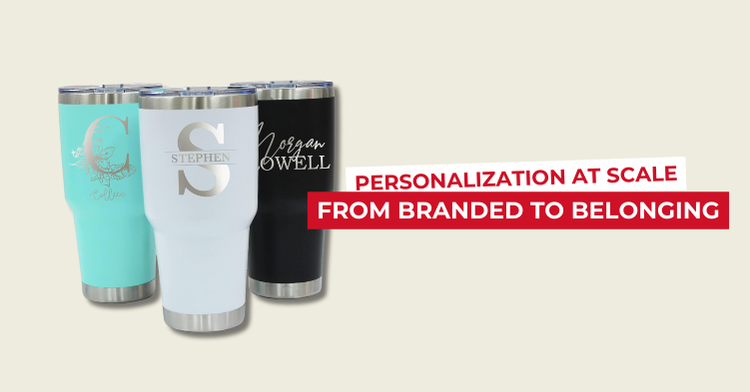
Personalization at Scale
From branded to belonging
Personalization has moved far beyond adding a logo. In 2026, brands are leveraging advanced printing, engraving, and data integration to personalize items with:
-
Individual names
-
Job roles or departments
-
Industry-specific messaging
-
Hobbies, interests, or event participation
The real shift? Scale. What once required long lead times and high minimums can now be done efficiently for hundreds—or thousands—of recipients.
Why it works
People keep items that feel made for them. A notebook engraved with a recipient’s name or a tumbler labeled with a team role instantly becomes more than swag—it becomes personal property.
Pro tip: Personalization is especially powerful for employee onboarding kits, sales incentives, conference speakers, and VIP clients.
On-Demand Merch
Smaller runs. Faster results. Less waste.
Gone are the days of ordering 5,000 units “just in case.” On-demand merch is redefining how brands think about inventory and agility.
What’s driving the shift:
-
Faster production and fulfillment technology
-
Shorter campaign cycles
-
Budget efficiency
-
Reduced storage and obsolete inventory
Brands can now test designs, respond to trends, or support micro-campaigns without committing to massive quantities.
Strategic advantage
On-demand merch allows marketing teams to stay nimble—perfect for product launches, pop-up events, limited-edition drops, or region-specific campaigns.
Digital + Physical Hybrid Campaigns
Where swag meets smart tech
In 2026, promotional products are no longer the end of the experience—they’re the gateway.
QR-enabled products connect the physical item to digital destinations such as:
-
Personalized landing pages
-
Product demos or videos
-
Event schedules
-
Loyalty programs
-
Social media challenges
Why this matters
Hybrid campaigns extend engagement beyond the moment of gifting. A simple scan can turn a tote bag or badge into a trackable, interactive marketing channel.
Smart move: Use dynamic QR codes so content can be updated even after the product is distributed.
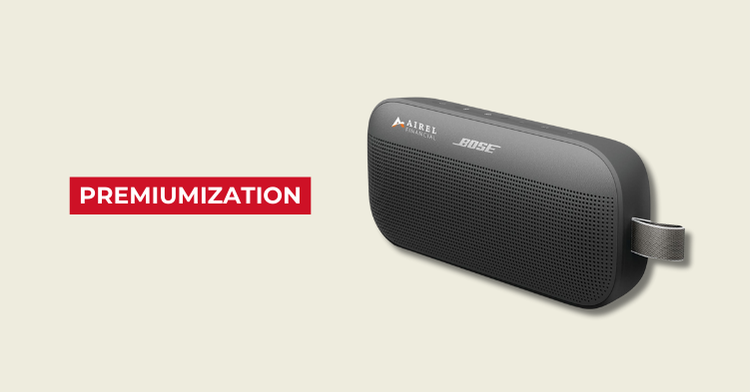
Premiumization
Less clutter. More impact.
In a world saturated with giveaways, brands are choosing fewer, better items. Premiumization is about investing in higher-quality products that feel intentional and lasting.
Think:
-
Well-designed drinkware
-
High-end notebooks
-
Tech accessories with real utility
-
Apparel people actually want to wear
The payoff
Premium items signal confidence, quality, and respect for the recipient. They’re kept longer, used more often, and associated with higher brand value.
Bottom line: One great product beats five forgettable ones.
Sustainability Transparency
Not just eco-friendly—clearly eco-explained
Sustainability is no longer optional, but in 2026, transparency is what builds trust.
Brands are going beyond green claims by clearly labeling:
-
Material composition (recycled, organic, renewable)
-
Sourcing origins
-
Manufacturing certifications
-
End-of-life recyclability
Why transparency wins
Today’s buyers—especially Gen Z and Millennials—want proof, not promises. Clear labeling turns a promotional product into a conversation starter about brand values.
Best practice: Include sustainability details directly on packaging, hang tags, or QR-linked product pages.
Final Takeaway: Purpose Is the New Promotion
The promotional products that win in 2026 aren’t louder—they’re smarter. They’re personalized, thoughtfully produced, digitally connected, premium in feel, and transparent in impact.
Brands that embrace these trends won’t just distribute products—they’ll create experiences, build loyalty, and leave a lasting impression long after the event ends.
If you’re planning your next campaign, now’s the time to ask:
Does this product reflect who our brand is now—and where it’s going next?