Promotional products remain a powerful way to keep your brand top-of-mind, but there’s a trap many fall into—overbranding. While a well-placed logo can boost visibility, going overboard can actually push your audience away.
This article explores why overbranding can backfire and offers smarter strategies for building brand loyalty through subtle, thoughtful design.
What Is Overbranding?
Overbranding occurs when a brand overuses its logo, colors, and slogans on promotional materials or communications to the point of overwhelming the recipient. Instead of reinforcing a brand identity, it risks appearing aggressive, insincere, or simply off-putting.
Let’s break down the three main consequences of overbranding:
1. Perceived Insincerity: When It’s All About You
One of the primary pitfalls of overbranding is that it can seem disingenuous. Promotional items are often used to say "thank you," build goodwill, or mark a meaningful connection. But when a product is plastered with logos, it may come off as self-serving.
For instance, imagine receiving a beautifully wrapped gift box, only to find each item—mug, pen, notepad—screaming the sender’s branding. It doesn't feel personal; it feels like a walking billboard. The recipient might question the intention: "Was this gift really for me, or just another advertising tactic?"
Subtlety builds sincerity. Instead of prioritizing logo visibility, think about the emotional impact of your promotional product. A minimalist design with a discreet logo conveys a sense of taste and authenticity that recipients are more likely to appreciate and remember.
2. Reduced Usability: When Branding Hurts Aesthetics
Promotional products are most effective when they’re used regularly—whether it's a tote bag, hoodie, or tech gadget. But if an item features a loud or overly prominent logo, it might clash with the recipient’s style or preferences, leading them to avoid using it entirely.
A water bottle with a sleek design is something a recipient might carry daily. But add a large, flashy logo that dominates the surface, and it might end up forgotten in a drawer. The goal of branded merchandise is real-world visibility. If the product doesn’t feel natural to use, you lose that opportunity.
Function and form matter. Choose products that seamlessly fit into a user’s life. Go for design-conscious items with branding placed thoughtfully—inside the lid, subtly embossed, or tastefully printed. These touches ensure usability without compromising your brand presence.
3. Brand Dilution: When Familiarity Breeds Apathy
Another consequence of overbranding is brand dilution—when your audience becomes desensitized to your branding because they see it too often, or in ways that don’t resonate.
By splashing your logo across every inch of a promotional product, you risk making your branding feel generic. The more your logo is seen in low-impact, unmemorable ways, the less power it holds. Over time, this reduces brand equity, making it harder for customers to recall what your brand stands for.
Your brand is more than a logo. It’s a personality, a promise, and a story. Every product you give out should reflect those elements holistically. Focus on craftsmanship, usability, and message cohesion. When your brand shows up in meaningful, consistent ways, it reinforces trust and loyalty—not fatigue.
Smarter Branding Strategies: What to Do Instead
To avoid the traps of overbranding, shift your focus from visibility to value. Here are some practical ways to make your branding feel more like a gift—and less like an ad:
a. Use Subtle, Thoughtful Logo Placement
Instead of large center placement, consider embossing, inside prints, or small tags. Think of your logo as a signature, not a billboard.
b. Prioritize Quality
High-quality items with understated branding often get more use. They’re seen as useful and stylish—not just promotional.
c. Choose the Right Products
Select items that naturally fit your audience’s lifestyle. If you’re targeting young professionals, a sleek notebook or wireless charger with minimal branding will go further than a bright plastic mug.
d. Emphasize Design
Good design speaks volumes. Choose products with modern aesthetics and color palettes that don’t scream "marketing material." This approach ensures your item is valued and used often.
e. Make It About Them
Whenever possible, personalize. Adding a recipient’s name or choosing something based on their interests creates an emotional connection far deeper than a generic giveaway ever could.
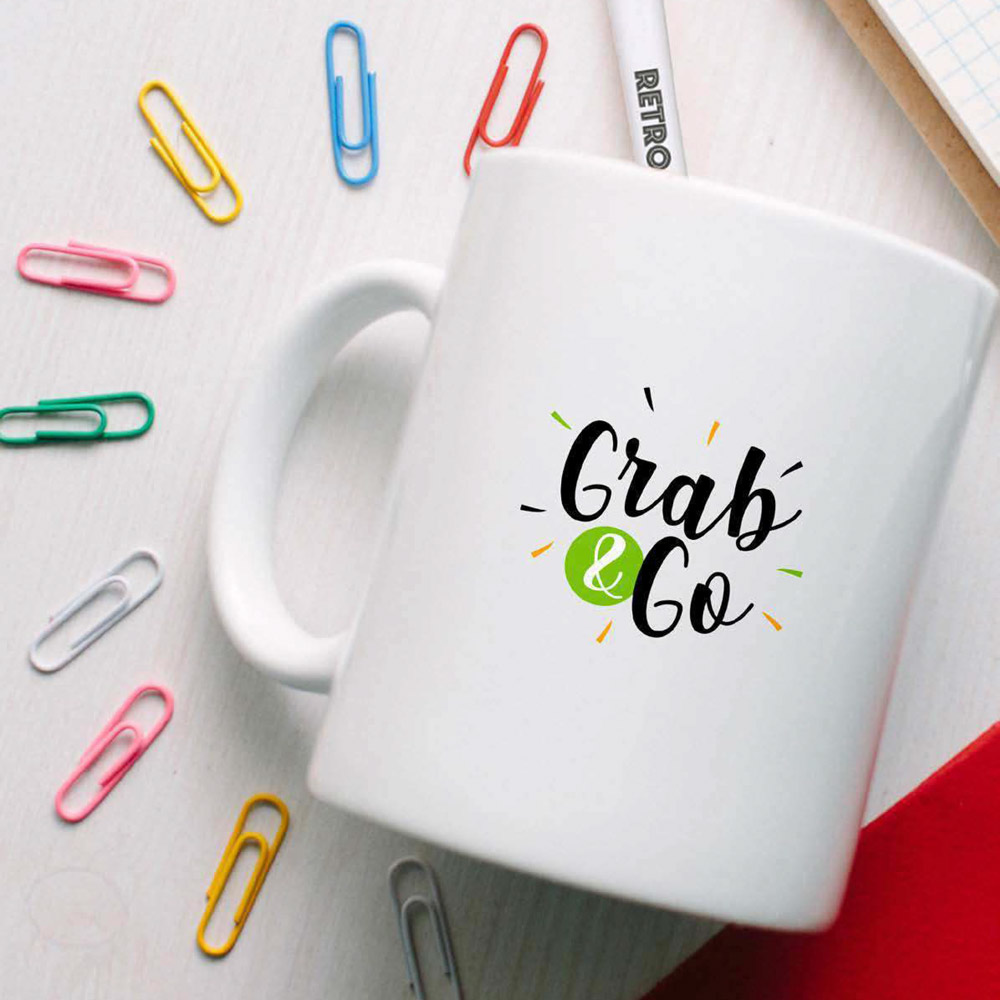
Real-World Scenario: Overbranding vs. Elegant Impact
Consider two companies attending the same trade show.
-
Company A hands out t-shirts with large, neon logos on both the front and back. The shirts are flashy—but most attendees never wear them again.
-
Company B distributes high-quality canvas totes with a tiny logo on the inside tag and a stylish, neutral design. Attendees use them daily.
Both brands invested in promotional products. But only one built lasting visibility—and loyalty.
Final Thoughts: Less Can Be More
In branding, restraint is powerful. Overbranding not only cheapens your message but can also alienate the very audience you’re trying to engage.
The next time you plan a promotional campaign, ask: "Will this product be used and appreciated—or tossed aside?" If your answer leans toward utility and genuine value, your branding strategy is on the right path.
By avoiding overbranding and prioritizing thoughtful design, usability, and recipient relevance, you’ll position your brand not just to be seen—but to be remembered.