It’s easy to focus all your energy on the promotional product itself—the tote bag, the notebook, the drinkware. But here’s the reality many brands overlook: packaging is the first thing people experience, not the product.
Before they touch what’s inside, they see the box. They feel the texture. They notice the details. And in that moment, your brand is already making an impression.
In 2026, packaging isn’t just a container—it’s part of the marketing.
First Impressions Start Before the Product
Think about the last time you received something beautifully packaged. Chances are, the experience felt more premium—even if the item inside was simple.
That’s the power of packaging.
What happens in those first few seconds:
- Expectations are set
- Perceived value is established
- Emotional reactions are triggered
A thoughtfully packaged item immediately signals care, quality, and intention.
Packaging Transforms a Giveaway into a Gift
There’s a big difference between handing someone an item and presenting it.
The same product can feel completely different depending on how it’s packaged.
Compare this:
- A loose item handed out at an event
- The same item wrapped, boxed, or placed in a curated kit
One feels transactional. The other feels personal.
Why it matters:
When something feels like a gift, people are more likely to value it, keep it, and remember where it came from.
The Unboxing Experience Is Part of Your Brand
Unboxing is no longer just for e-commerce—it’s a key part of offline marketing too.
Every layer of packaging is an opportunity to tell a story:
- Outer packaging → first impression
- Inner wrapping → anticipation
- Product reveal → emotional payoff
Ways to elevate the experience:
- Use branded tissue paper or inserts
- Add a short message or story card
- Incorporate subtle design elements that reflect your brand
Result:
A simple promotional product becomes a memorable brand moment.
Small Details Create Big Impact
Packaging doesn’t have to be expensive to be effective. Often, it’s the small touches that make the biggest difference.
Simple upgrades that work:
- A handwritten note
- A clean, minimal sticker seal
- Thoughtful color coordination
- Reusable packaging (like pouches or boxes)
These details show that your brand pays attention—and that builds trust.
Packaging Extends Brand Storytelling
Your promotional product tells one part of your story. Packaging can tell the rest.
This is especially powerful when you want to communicate:
- Sustainability efforts
- Brand values
- Product origins or purpose
Example:
An eco-friendly product paired with recyclable packaging and a card explaining its environmental impact creates a cohesive, meaningful message.
It Encourages Sharing (Online and Offline)
In a world where people love to share experiences, packaging plays a huge role.
Visually appealing packaging:
- Gets photographed
- Gets posted
- Gets talked about
Even in offline settings, a well-presented item sparks conversation and curiosity.
Key idea:
If it looks good enough to share, it works twice as hard for your brand.
Practicality Still Matters
While aesthetics are important, packaging should still be functional.
Consider:
- Is it easy to carry at events?
- Does it protect the product?
- Can it be reused?
The best packaging balances form and function—looking good while serving a purpose.
Sustainability Is Non-Negotiable
In 2026, packaging choices are closely tied to brand perception.
Excessive or wasteful packaging can undermine even the most thoughtful promotional product.
Better choices:
- Recyclable or biodegradable materials
- Minimalist packaging designs
- Multi-use packaging (e.g., boxes that double as storage)
Why it matters:
Customers notice—and they care.
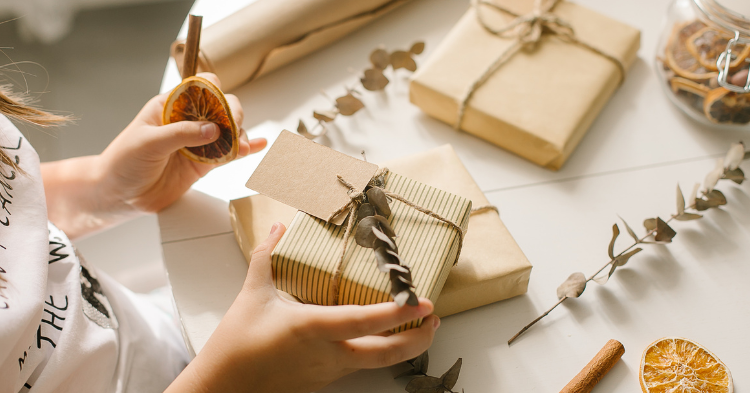
When to Invest More in Packaging
Not every situation requires premium packaging—but some moments absolutely do.
High-impact use cases:
- Client or VIP gifts
- Employee onboarding kits
- Product launches
- Special events or milestones
In these cases, packaging isn’t an extra—it’s part of the experience you’re delivering.
Final Thoughts
Promotional products don’t exist in isolation. The way they’re presented shapes how they’re perceived, used, and remembered.
So yes—packaging matters.
It’s the difference between:
- A giveaway and a gift
- A product and an experience
- A moment and a memory
In 2026, the brands that stand out won’t just focus on what they give—but how they give it.
Because sometimes, the box is just as important as what’s inside.